Raised garden beds are one of the best investments you can make for your garden. They offer better drainage, easier maintenance, and can dramatically improve your growing success. But not all raised beds are created equal—build them right, and they'll last for decades.
Why Choose Raised Beds?
Raised beds offer numerous advantages over traditional in-ground gardening. The soil warms faster in spring, allowing earlier planting. You have complete control over soil quality. They're easier on your back and knees, and they provide excellent drainage even in heavy clay soil.
Choosing the Right Materials
Best Wood Choices
- Cedar: Naturally rot-resistant, lasts 15-20 years. The gold standard for raised beds.
- Redwood: Similar durability to cedar, beautiful appearance.
- White Oak: Extremely durable, can last 20+ years.
- Douglas Fir: Budget-friendly, lasts 5-7 years untreated.
Important
Avoid pressure-treated lumber for edible gardens. While modern treatments are safer than old CCA, many gardeners prefer naturally rot-resistant woods for peace of mind.
Ideal Dimensions
The perfect raised bed is no wider than 4 feet—this allows you to reach the center from either side without stepping in the bed. Length can be whatever fits your space, but 8-12 feet is manageable. For depth, aim for at least 12 inches for most vegetables; 18-24 inches for root crops and better water retention.
Materials List (for one 4x8 foot bed)
- 4 boards: 2x12x8 feet (sides)
- 4 boards: 2x12x4 feet (ends)
- 4x4 cedar posts: 12 inches long (corner supports)
- 3-inch exterior wood screws
- Hardware cloth (optional, for gopher protection)
- Landscape fabric (optional)
Step-by-Step Construction
Step 1: Prepare Your Site
Choose a level spot with at least 6 hours of direct sunlight. Remove grass and weeds. If you have gophers or moles, lay hardware cloth on the ground before building.
Step 2: Cut Your Lumber
If your boards aren't pre-cut, measure twice and cut once. Sand any rough edges to prevent splinters.
Step 3: Assemble the Corners
Place a 4x4 corner post at each corner. Attach the side boards to the posts using 3-inch screws—at least 3 screws per board. Pre-drill holes to prevent splitting.
Step 4: Square It Up
Before filling, ensure your bed is square by measuring diagonally from corner to corner. Both measurements should be equal. Adjust as needed.
Step 5: Line the Bottom (Optional)
Landscape fabric can prevent weeds from growing up, but it's not essential if you're using enough depth of new soil.
Filling Your Raised Bed
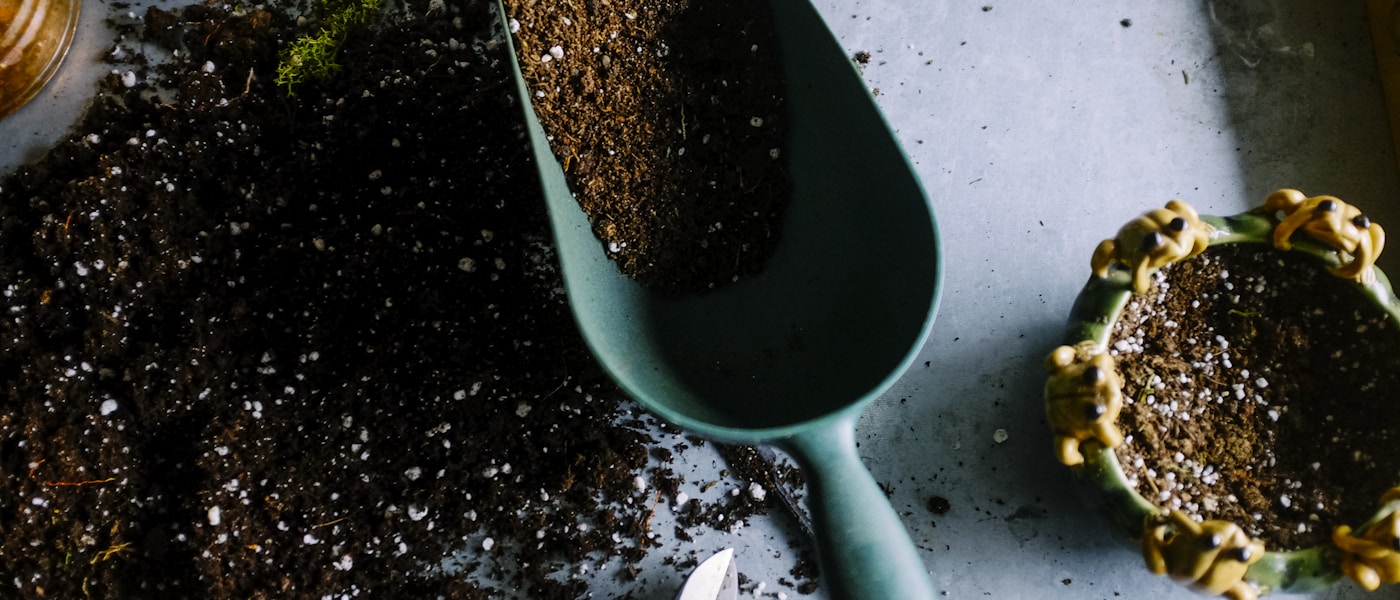
Use a mixture of 60% topsoil, 30% compost, and 10% aeration material like perlite or aged bark. This creates the perfect growing medium. For a 4x8x1 foot bed, you'll need about 32 cubic feet of material.
Money-Saving Tip
For deep beds, fill the bottom 6 inches with logs, branches, and leaves (hugelkultur style). This reduces the amount of expensive soil needed and creates long-term fertility as the material decomposes.
Maintenance for Longevity
- Apply linseed oil annually to untreated wood
- Keep soil level below the top edge
- Add 1-2 inches of compost each fall
- Inspect corners annually and tighten screws
With proper construction and care, your raised beds will provide decades of productive growing. The upfront investment in quality materials pays off in longevity and reduced maintenance over time.
💬 Comments 0
🔐 Sign in with Google to join the conversation!