Spring is the most exciting time for gardeners. After months of planning and dreaming over seed catalogs, it's finally time to get your hands dirty and bring your garden to life. Whether you're a complete beginner or looking to improve your spring routine, this comprehensive guide will walk you through everything you need to know.
Understanding Your Growing Zone
Before you plant anything, you need to understand your USDA Hardiness Zone. This determines your last frost date and helps you plan when to start seeds and transplant outdoors. Most of the continental US falls between zones 4-9, with each zone having its own planting schedule.
Your local cooperative extension office can provide specific frost dates for your area. As a general rule, wait until two weeks after your last frost date to plant tender vegetables like tomatoes and peppers.
Pro Tip
Keep a garden journal from day one. Record planting dates, weather conditions, and observations. This information becomes invaluable in future seasons.
Preparing Your Soil
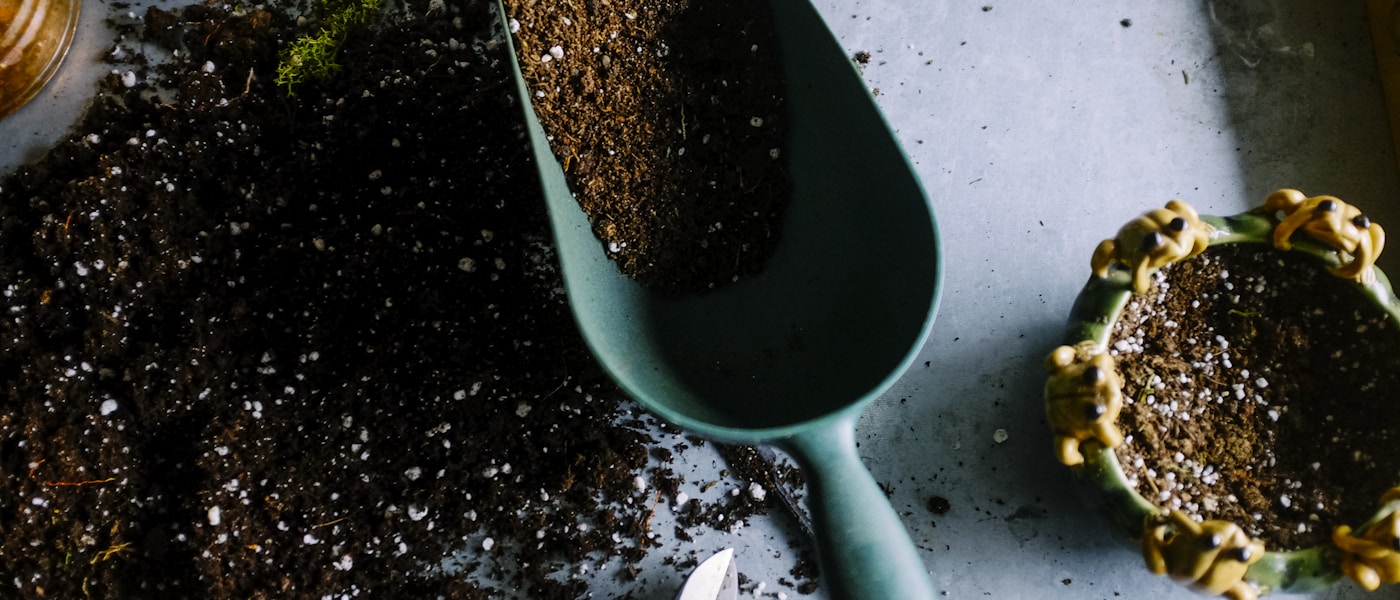
Healthy soil is the foundation of a successful garden. Start by testing your soil pH and nutrient levels—many extension offices offer free or low-cost testing. Most vegetables prefer a pH between 6.0 and 7.0.
Essential Soil Amendments
- Compost: Add 2-3 inches of well-aged compost to improve soil structure and fertility
- Aged Manure: Provides nitrogen and organic matter (never use fresh manure)
- Leaf Mold: Excellent for improving water retention
- Bone Meal: Adds phosphorus for root development
What to Plant First
Not all vegetables are created equal when it comes to cold tolerance. Some can be planted as soon as the soil can be worked, while others need warm soil and air temperatures.
Cool-Season Crops (Plant 4-6 weeks before last frost)
- Lettuce, spinach, and other salad greens
- Peas and snap peas
- Radishes and carrots
- Broccoli, cabbage, and kale
- Onions and garlic
Warm-Season Crops (Plant after last frost)
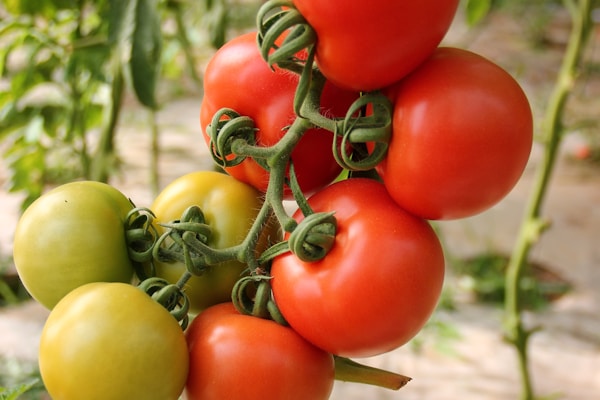
- Tomatoes and peppers
- Squash and cucumbers
- Beans and corn
- Melons and pumpkins
Starting Seeds Indoors
Many vegetables benefit from being started indoors 6-8 weeks before transplanting. This gives them a head start and extends your growing season. Essential supplies include seed starting mix (not regular potting soil), clean containers with drainage, and adequate light.
Pro Tip
Bottom watering prevents damping off disease and encourages strong root growth. Place seed trays in a shallow container of water and let them absorb moisture from below.
Hardening Off Seedlings
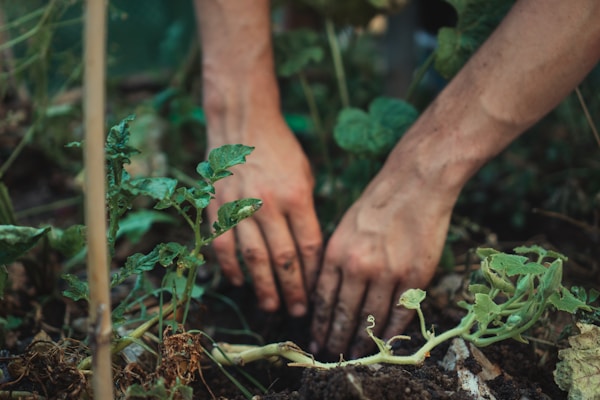
Don't skip this crucial step! Seedlings grown indoors need to gradually acclimate to outdoor conditions. Start by placing them outside in a sheltered spot for 1-2 hours, gradually increasing exposure over 7-10 days. This prevents transplant shock and sunscald.
Planning Your Garden Layout
Consider companion planting to maximize space and natural pest control. Tomatoes grow well with basil, carrots love onions, and beans fix nitrogen that benefits leafy greens. Avoid planting the same family of vegetables in the same spot year after year to prevent soil-borne diseases.
Watering and Mulching
Consistent watering is more important than frequent watering. Most gardens need about 1 inch of water per week, including rainfall. Water deeply in the morning to reduce evaporation and disease. Apply 2-3 inches of organic mulch to retain moisture, suppress weeds, and regulate soil temperature.
Next Steps
Now that you have the basics, it's time to get started! Remember, every gardener learns through experience, so don't be afraid to experiment. Start small, observe closely, and enjoy the process of growing your own food.
💬 Comments 0
🔐 Sign in with Google to join the conversation!